
Lower Saxony covers the north-west corner of Germany, stretching from the North Sea coast to the Harz Mountains. It is the second largest German state after Bavaria.
Most international visitors skip it entirely though, focusing on better-known destinations such as Munich, Berlin, or the Rhine Valley.
Thanks to this oversight, you'll find fewer crowds and lower prices here. The region offers genuine appeal to certain types of travellers.
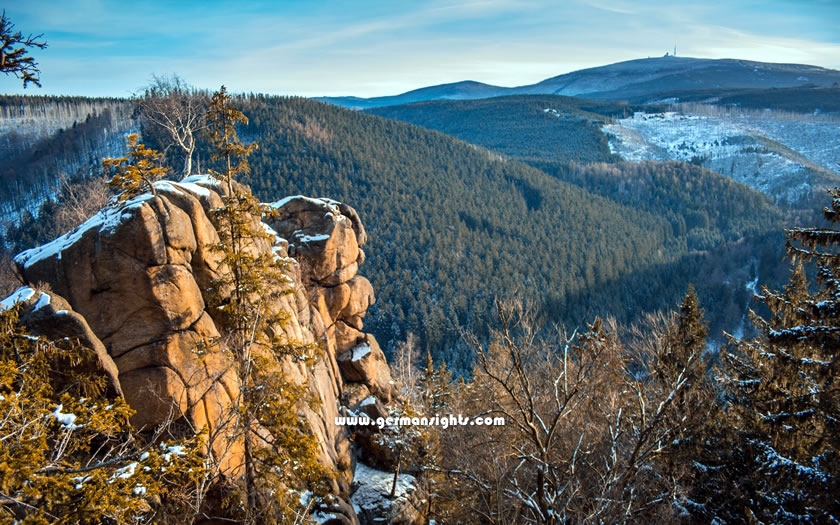
The Rabenklippe rock formation in the Harz Mountains
History enthusiasts can explore medieval towns that survived World War II intact. Nature lovers can enjoy unique coastal landscapes, including the Wadden Sea UNESCO World Heritage site. The Harz Mountains offer hiking without the alpine price tag.
Lower Saxony may not be able to compete with the dramatic scenery of Bavaria or the cultural density of Berlin.
What it offers is authenticity.
Cities here, such as Hanover, Braunschweig and Göttingen, function as real working places, not tourist showcases. You're more likely to hear German than English. Restaurants cater for locals rather than tour groups.
The state capital, Hanover, is located roughly in the centre of the region and makes a logical base for exploration. The North Sea coast is two hours' drive north. The Harz Mountains are 90 minutes south.
And, although Bremen is technically its own city-state, it sits within Lower Saxony's borders and is easily accessible from the region.
Lower Saxony is ideal for travellers seeking a quieter, more authentic experience of northern Germany. It's not a place full of eye-catching landmarks. Instead, it offers understated charm, great historical depth and a variety of beautiful natural landscapes.
Here are the key reasons to visit:
Trip planning in Lower Saxony depends on transport and season. The region is large, so the right base matters as much as the sights themselves.
Lower Saxony is well connected to the rest of Germany by trains and major highways. The international airports in Hanover and Bremen make it easy to travel to the region. A rental car is often helpful if you’re venturing beyond the cities, but not essential.
Find out more about how to get to Lower Saxony and explore the state on our dedicated Lower Saxony Travel page.
Late spring and early autumn tend to offer the best balance of weather and crowd levels.
From May to June, visitors can enjoy green landscapes and long daylight hours. September is a good time for walking, with milder temperatures and quieter tourist spots.
Summer is a good time to visit the coast and the islands, although some places get busy during the German school holidays.
Winter is quieter and is better suited to city breaks or the Harz, where there is a chance of snow at higher elevations, though it is never guaranteed.
The best-known places in Lower Saxony cater for various types of trip.
Hanover offers city access and transport links, Lüneburg Heath is ideal for those seeking quiet landscapes, the Harz region is perfect for active travellers, and the East Frisian Islands provide the best coastal escape.
The state capital is more of a practical base than a tourist highlight. The city was heavily bombed during the Second World War, so there is limited historic architecture. The reconstructed Old Town around the Marktkirche illustrates what was lost.
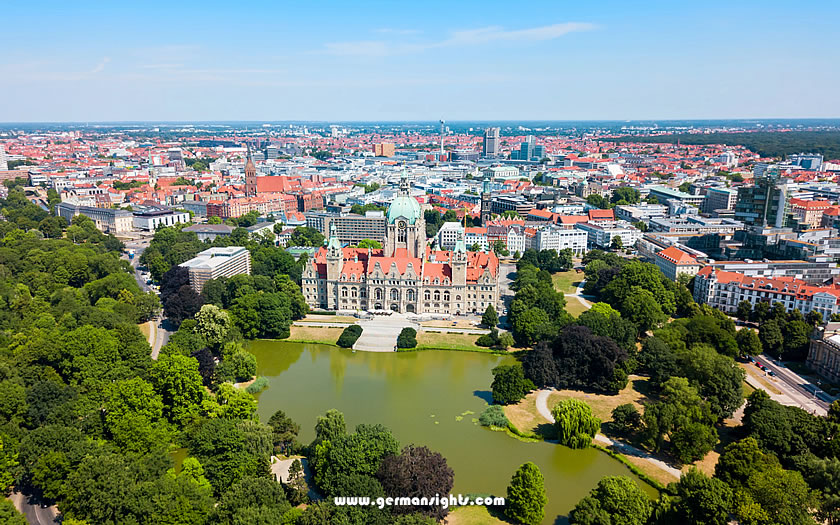
The city hall in Hanover
The Herrenhäuser Gardens are Hanover's main attraction. These Baroque gardens boast geometric layouts, fountains and a grotto.
The Sprengel Museum houses a collection of modern art, including works by Picasso, Klee and Niki de Saint Phalle. If you appreciate 20th-century art, it's worth spending a couple of hours here.
Hanover is a good transport hub and place to stop overnight, but most visitors quickly move on to more compelling destinations.
👉 Find out more about the city of Hanover
Lüneburg Heath is best for open landscapes, cycling and quiet walks.
The heather is most striking in late summer, especially in August and early September. Outside that season, the area still offers woodland, villages and easy outdoor routes.
It suits slower trips and self-drive visitors.
Rail access exists, yet a car makes the area far easier to explore. Travellers should not expect dramatic mountain scenery here.
The appeal lies in gentle land, space and seasonal colour.
This low mountain range rises in southern Lower Saxony and extends into Saxony-Anhalt. The highest peak is the Brocken, which stands at 1,141 metres (3,743 feet). Forests cover most of the slopes, creating a dark and atmospheric landscape that has inspired German folklore.
Goslar is located in the western part of the Harz. Its Old Town has UNESCO status thanks to its well-preserved medieval and Renaissance buildings. The Rammelsberg Mine, which is also listed by UNESCO, operated for over 1,000 years. Tours descend into the shafts and demonstrate mining techniques from various historical periods. Visiting these sites takes a full day.
If you're in the area, Quedlinburg, just across the border in Saxony-Anhalt, is also worth a visit. Over 2,000 timber-framed houses line its streets, making it one of Germany's best-preserved medieval towns.
The narrow-gauge Harz Railway runs steam trains to the Brocken summit. The journey from Wernigerode takes about 90 minutes. It's touristy, but the views are scenic.
👉 Find out more about the Harz Mountains
Seven inhabited islands stretch along Lower Saxony's North Sea coast: Borkum, Juist, Norderney, Baltrum, Langeoog, Spiekeroog, and Wangerooge. These barrier islands sit within the Wadden Sea, separated from the mainland by tidal flats.
They all feature long sandy beaches, dune landscapes and car-free or car-restricted centres. They attract German families and wellness seekers, yet remain largely unknown to international visitors. Ferries run from coastal towns and travel times range from 30 minutes to two hours. Book accommodation in advance, especially during the summer and school holidays.
Norderney is the largest and most developed island, with the most hotels, restaurants and nightlife. Juist is the longest island at 17 kilometres and is car-free, making it quieter with just one village. Langeoog balances accessibility with tranquility and is popular with families. Borkum allows limited car access and offers year-round activities. Baltrum is the smallest and quietest island. Spiekeroog and Wangerooge are car-free and less commercialised.
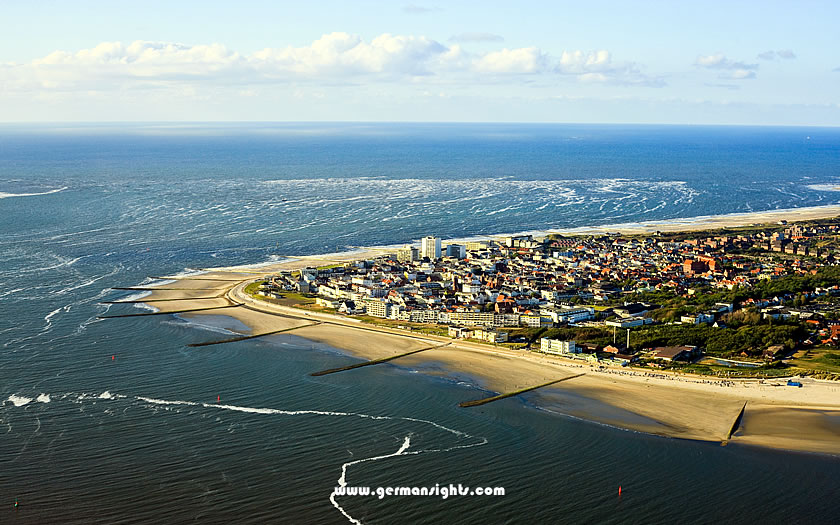
An aerial view of Norderney
Activities include beach walking, swimming (the water is cold, even in summer), cycling and birdwatching. Spa facilities are common. The weather is changeable, with wind and rain being frequent even in summer. The islands are ideal for visitors who enjoy coastal landscapes and don't require sunshine.
Most visitors stay for between a few days and a week. Day trips involve a considerable amount of time on the ferry. The islands are ideal for a specific type of holiday: a quiet, nature-focused break that isn't dependent on the weather.
👉 Find out more about the East Frisian islands
Lower Saxony has several old towns that give the region much of its character.
They are ideal for travellers who want to experience half-timbered streets, regional museums and easy day trips, without the intensity of larger German heritage cities.
This city was once the residence of Henry the Lion, one of the most powerful dukes in medieval Germany. Much of the historic centre was destroyed in World War II bombing, but key monuments survived or were rebuilt.
Burgplatz (Castle Square) forms the medieval heart of the city. The bronze lion statue, erected in 1166, is the oldest surviving monument of its kind in Germany. The original now sits in a museum, and the statue outside is a replica. Henry the Lion's tomb is located in the cathedral across the square.
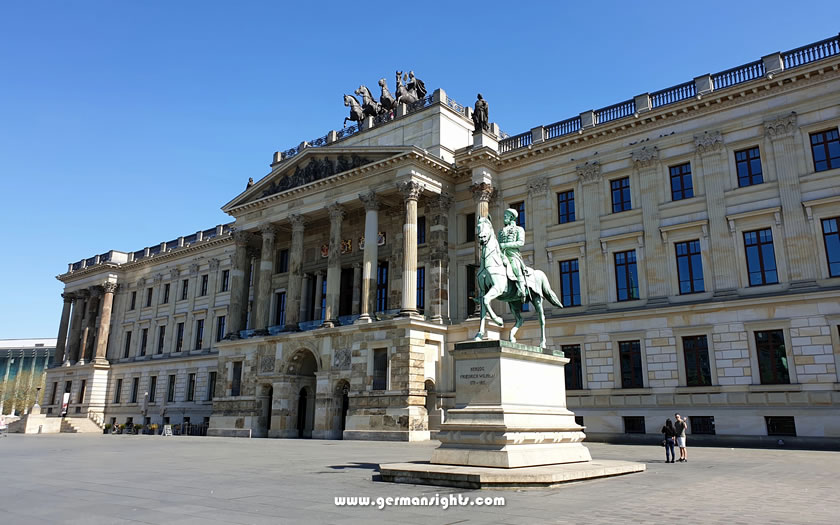
Brunswick Palace
The Herzog Anton Ulrich Museum houses one of the oldest art collections in Germany, featuring works by Rembrandt, Rubens and Vermeer. The museum reopened in 2016 following extensive renovations.
Braunschweig feels more like a working city than a tourist destination. While it lacks the charm of smaller towns, it offers plenty to keep history-focused visitors interested.
👉 Find out more about Braunschweig
This town promotes itself heavily based on the Pied Piper legend. You will encounter rat motifs everywhere. The story originated here in the 13th century, although its exact meaning is still debated.
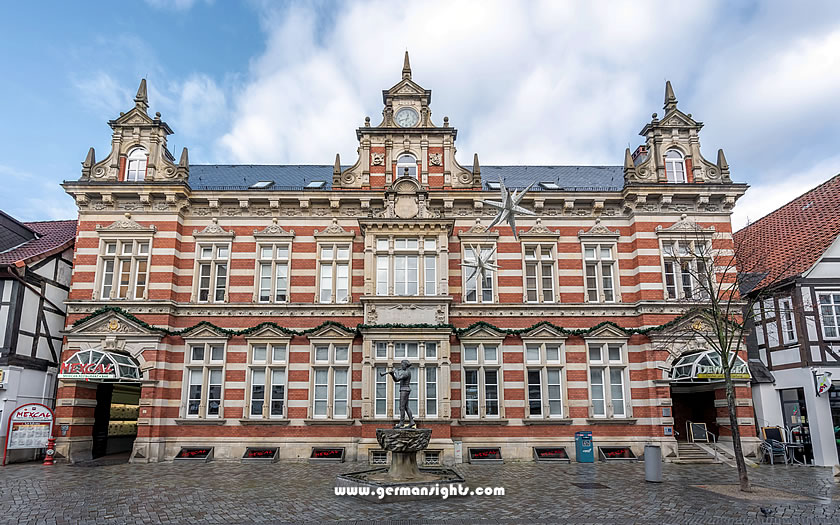
The statue of the Pied Piper in Hamelin
Beyond the fairy tale, Hamelin boasts attractive Renaissance architecture. The Weser Renaissance style, characterised by ornate gables and decorative stonework, is evident throughout the Old Town. The Hochzeitshaus (Wedding House) and the Rattenfängerhaus (Pied Piper House) are prime examples of this style.
The town is located on the banks of the scenic Weser River. River cruises operate during the warmer months.
Hamelin attracts families with children thanks to its connection with the Pied Piper. Adults may find the commercialisation excessive, however. The architecture is worth seeing if you're passing through, but it's not worth a major detour.
👉 Find out more about Hamelin
This medieval town is located northeast of Hanover. Salt mining made Lüneburg wealthy during the Middle Ages, and evidence of this prosperity can be seen in its architecture. Brick Gothic buildings dominate the town centre. The town hall dates back to the 13th century and boasts opulent council chambers.
The old salt works (the Deutsches Salzmuseum) explain the industry that built the town. It's informative, but not essential unless you have a specific interest in the subject.
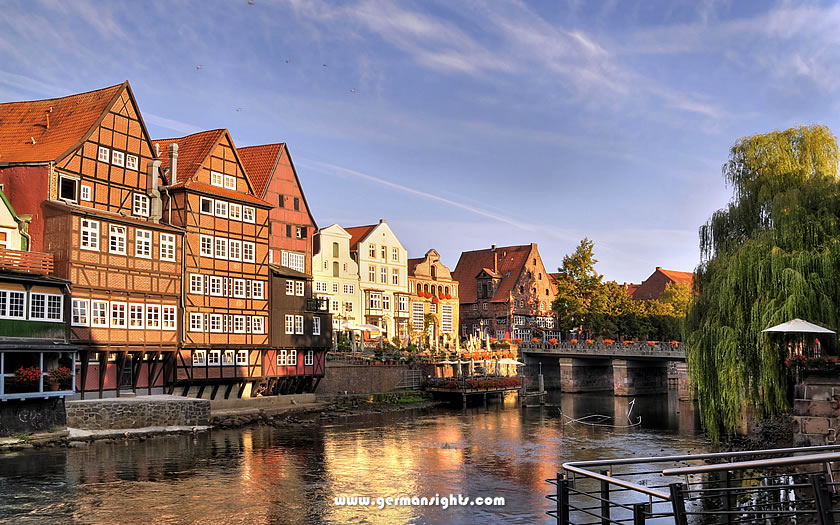
Historic buildings in Lüneburg
The streets of Lüneburg slope and curve noticeably. Subsidence caused by underground salt mining has created the town's distinctive tilted buildings. Walking around the centre takes two to three hours.
The town is a gateway to the Lüneburg Heath, a large nature reserve covered in heather. From late August to early September, the landscape is covered in purple blooms. Outside of this period, the heath appears brown and rather less photogenic.
👉 Find out more about Lüneburg
The town centre of Celle was largely undamaged during the war, preserving its 16th- and 17th-century character - it boasts over 400 timber-framed houses.
The ducal palace (Residenzschloss) is located on the outskirts of the town. Its chapel features Renaissance decorations.

Celle in Lower Saxony
The best way to experience Celle is to wander its streets rather than ticking off specific sights. The Old Town is compact and can be explored on foot in an afternoon.
It is the perfect place to visit on a day trip or an overnight stay, and pairs well with Lüneburg.
👉 Find out more about Celle
Goslar is located in the western Harz Mountains. The city's Old Town has been awarded UNESCO status thanks to its well-preserved medieval and Renaissance buildings — over 1,500 timber-framed houses line the narrow streets around the central marketplace.
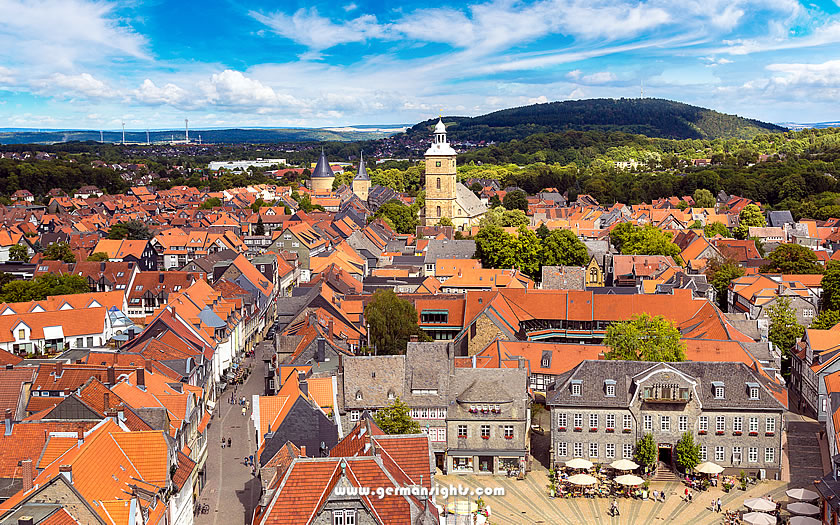
View over Goslar in the Harz region
The Kaiserpfalz (Imperial Palace), a 11th-century building that was rebuilt in the 19th century, dominates the southern edge of the town.
The Rammelsberg Mine is also on the UNESCO list and operated for over 1,000 years until 1988. Guided tours take visitors deep into the mine, where they can learn about mining techniques from different eras, from medieval hand tools to 20th-century machinery.
Exploring the Old Town and the mine together takes a full day. The town is a great base for exploring the Harz region. It has good train connections and a variety of hotels.
Goslar feels functional rather than overly touristy. Locals still use the historic centre for their daily lives. The town is busiest during the summer and Christmas market seasons, but it is never overwhelmingly crowded.
👉 Find out more about Goslar
There are plenty of practical outdoor activities in Lower Saxony.
The key decision is not whether to go outside, but which landscape to choose for the trip. Some areas are ideal for long walks, while others are better suited to cycling, wildlife watching or family days that don't require too much effort.
The region has many signposted routes, ranging from flat cycling paths to hill walks in the Harz Mountains.
The varied terrain is one of the region's strengths. Travellers can choose from easy day rides near towns or longer routes through heathland and forest.
Cycling is ideal in the flatter areas, although rural services can be limited in some places.
Walkers should check local maps and transport links before setting out, particularly if they intend to return by public transport.
The North Sea coast and the Wadden Sea are home to some of the region's best natural attractions.
Mudflats, tidal views and sea marshes create a constantly changing landscape. Guided walks are often the best way to learn about the area safely.
The weather is important here.
Wind and rain can affect comfort more than in the rest of Lower Saxony, so travellers should pack for changeable conditions. The coast is ideal for visitors who value open spaces and don't require constant activity.
There are several easy outdoor options for families, especially around lakes, heath reserves and woodland paths.
Many of the routes are suitable for children and have clear paths and simple facilities.
The best choice depends on the age and energy levels of those involved.
The heath and flat coastal areas are ideal for a relaxed day out, while the Harz requires more stamina.
Parents should check the access to public toilets, parking and cafés in advance, as these vary widely outside the main towns.

Map of Lower Saxony
(courtesy of OpenStreetMap)